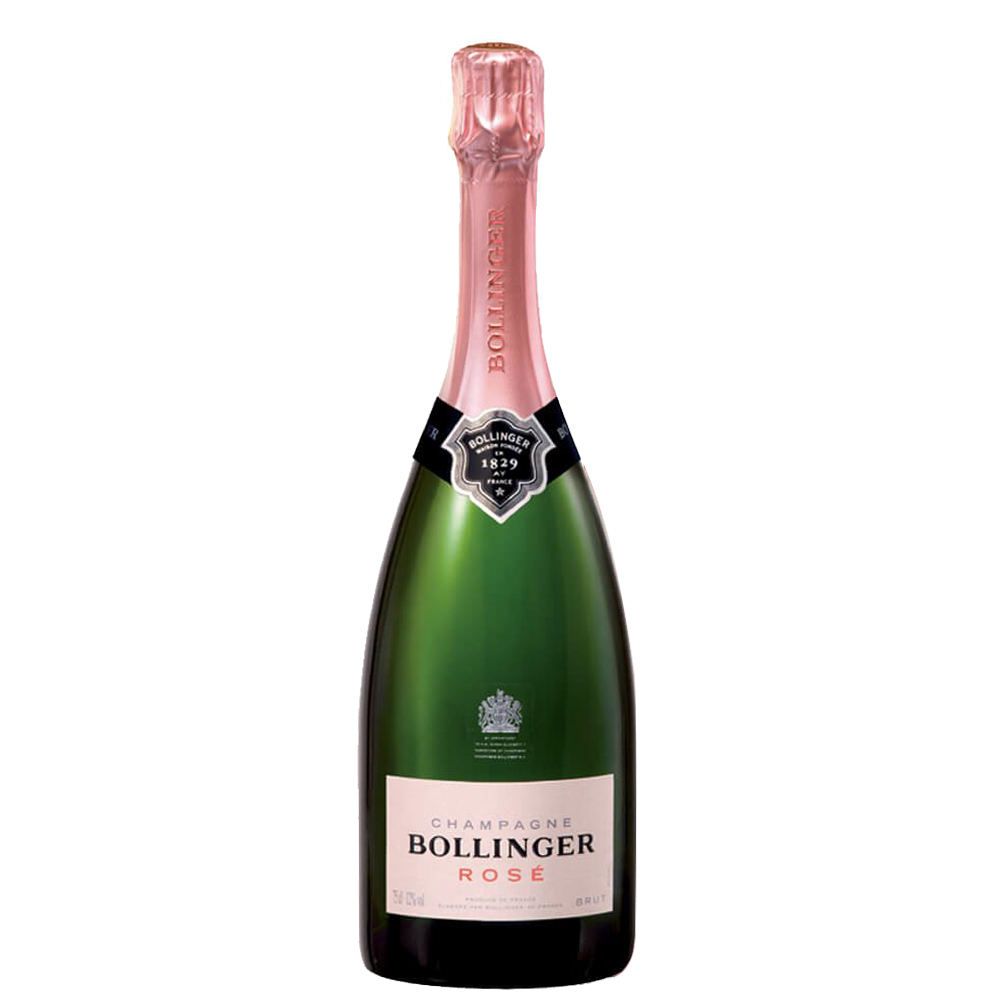
Bollinger Brut Rosé NV
Champagne AOC
Bollinger è uno dei più grandi nomi della regione della Champagne, ma è soprattutto una delle poche maison che riesce costantemente a garantire un’elevatissima qualità nei vini che produce. Lo Champagne Brut Rosé di Bollinger ha uno stile originale che lo rende versatile. Ciò dimostra come dietro questo Champagne sia nascosta una competenza unica per ciò che riguarda la vinificazione in rosso e una padronanza assoluta dell’assemblaggio: nobile alchimia.
La descrizione del sommelier
Gli eleganti riflessi bronzei sono regalati dall’intensa profondità del vino rosso usato nella cuvée. Il naso è deliziato dalla nobiltà di sentori che ricordano piccoli frutti rossi, ribes, ciliegia e fragolina di bosco. Sono presenti gradevoli sfumature speziate. In bocca è persistente e vivace, con leggere note tanniche che rimandano al suo carattere vinoso. Il perlage è fine e particolarmente vellutato al palato.Abbinamenti
Accompagna magistralmente la cucina giapponese o asiatica poco speziata. può essere apprezzato con dessert a base di frutta. da provare con l’astice alla griglia.
€ 130.00
| Produttore | BOLLINGER |
|---|---|
| Denominazione | Champagne AOC |
| Vitigno | pinot noir 62%, chardonnay 24%, pinot meunier 14% |
| Gradazione | 12,0% Vol. |
| Formato | Standard (0.75 lt) |
Premi e riconoscimenti
Wine Spectator 93 Antonio Galloni 92Descrizione produttore
Since 1829, Champagne Bollinger has been making great wines with a powerful, refined and complex style, expressing the aromas of the fruit in all its dimensions.This truly unique taste is the result of a particular affinity for the elegance of pinot noir, uncompromising excellence, an exceptional vineyard and traditional craftsmanship handed down through the generations with the utmost care since 1829.
Georges Bollinger
Georges Bollinger took over management of the House. Son of the founder Jacques Bollinger and son of Louise-Charlotte Hennequin de Villermont, he would have to lead Bollinger through some of the most delicate episodes of both its own history: the phylloxera crisis, devastating the Champagne vineyard at the turn of the century, the vine-growers’ revolt in 1911, and finally the Great War from 1914. He was a town councillor at Aÿ from 1891 to 1918, and devoted all his energy to his village, which he protected from enemy looters in 1916.